



The Magic Project offers innovation grants to Princeton faculty, ranging from $5,000 to $50,000, thanks to the generosity of Lynn Shostack, in memory of her husband, David A. Gardner ’69.
Magic Grants are designed to serve as the initiating spark and primary support for bold, imaginative projects. The goal is to foster ideas that break new ground–intellectually or pedagogically–and that have the potential to change how the humanities are conceived and taught. The selection committee welcomes interdisciplinary initiatives and is especially attentive to areas of inquiry that may be unfamiliar to students and colleagues but that promise to enrich and enliven Princeton’s intellectual life. Risk-taking and experimentation are strongly encouraged. In this spirit, the word “magic” is used metaphorically to suggest the transformative potential of new ideas. Magic Grants are not intended for individual faculty research and do not provide teaching relief or additional FTE.
In addition to cultivating research communities, the Humanities Council is deeply committed to enriching Princeton’s pedagogy. We prioritize Magic Project funding for “breakthrough” courses that incorporate experiential or field-based components that move outside the traditional classroom setting. Previous examples include support for courses such as “Battle Lab: The Battle of Princeton” and “Alchemy: Art and Science,” in addition to funding coursework in digital archives, visits to domestic and international cultural and historical sites, and other co-curricular activities. Activities may span a few days, take place over academic breaks, or extend across several weeks or months. The aim is to deepen learning across the humanities curriculum, with a focus on interdisciplinary or cross-divisional innovation.
Program Goals
Projects should reflect one or more of the following goals:
- Encourage bold, status-quo-defying intellectual work in the humanities
- Foster interdisciplinary collaborations and team-teaching
- Expand the curriculum with new modes of thought
- Provide students access to unique educational experiences
- Support humanities-STEM and humanities-arts collaborations
Eligibility
Eligible applicants include:
- Assistant, associate, and full professors
- Senior lecturers, University lecturers, and professors of the practice
- Other faculty, research, and administrative members of the University are eligible as co-proposers
- Lecturers, research scholars, and postdoctoral fellows on continuing appointments may apply if all of the following conditions are met:
- The project supports pedagogy (e.g., new courses; student travel in an educational context; innovative teaching materials/installations);
- The department chair endorses the proposal; and
- For course-related activities, the department confirms the course offering and provides salary.
Projects should meet the following criteria:
- New, first-time endeavor
- Budget ranges between $5,000 and $50,000
- Magic Grant is the primary funder of the project
- Project is carried out during the academic year following the application
- Normally one-year duration (In rare cases, two-year grants may be awarded for launching a single cohesive initiative that unfolds over a two-year arc – e.g., a year of collaborative research followed by a team-taught course – but not for repeating activities.)
- Represents a substantially new direction in humanities research or teaching
- Led by Princeton faculty, anchored in the Princeton University community
- Preference for applicants without recent major Humanities Council grants.
- Magic Grants do not fund individual faculty research and do not provide teaching relief or additional FTE.
Note on course-related and group travel: Up to two course-embedded break trips per year may be fully funded through this program (ranging from $50,000 to $70,000 – thus exceeding the typical grant budget in these cases). All logistics must be managed by the course’s home department. Projects that propose course-related international travel should draw on the guidance and parameters offered by the Office of International Programs.
Please submit any questions about the program to humanities@princeton.edu as early as possible and well in advance of the application deadline. Applicants who wish to submit a draft submission for initial review should do so by December 10, 2025.
How to Apply
Applications must be submitted through the Council’s online application form, including the following documents uploaded as attachments:
1. Abstract (max 250 words):
The abstract should be able to stand on its own as an overview of the project, succinctly covering the following key aspects and the goals of the proposal.
- Who is involved
- What the funds support
- Where, when, and how the project will be carried out, including start and end dates and locations
- Why the project is innovative and important
2. Full Proposal and Budget (2-5 pages)
The full proposal and budget must include the following sections:
- Title, proposer(s), departments
- Innovation and relevance to the humanities
- Benefit to Princeton University faculty and students
- Participants (Princeton and external affiliations)
- Detailed budget (travel, lodging, food, materials, honoraria)
- Note: Honoraria benchmarks are $750-$1500 for public lectures and $150-$500 for class visits/conference participation.
3. Chair/Director Endorsement
Proposals require an endorsement from the chair/director of the academic unit stating the unit’s commitment to manage the funds and provide any needed administrative and logistical support. The statement must be uploaded by the applicant with the application packet.
Proposals may be reviewed by relevant campus offices and faculty experts.
The application portal will open on October 1, 2026. All proposals must be received by January 25, 2027.
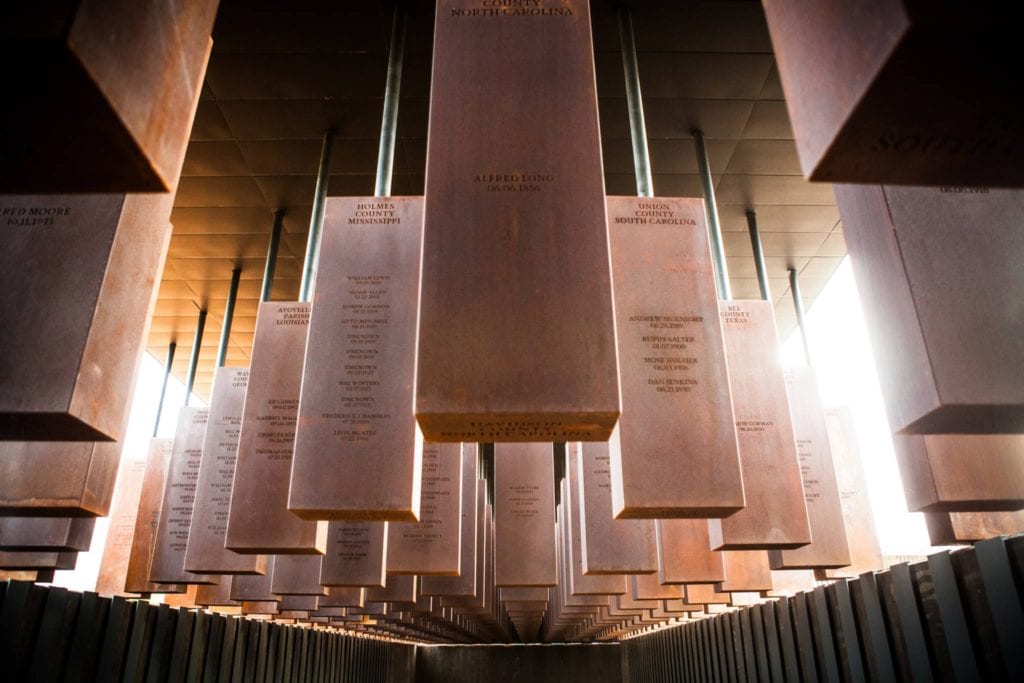
Current Magic Projects: Learn about new and ongoing projects, including teaching innovation and multi-year initiatives.

Past Magic Projects: Read about Princeton faculty who are bringing the humanities to wider public attention.