



By Mary Cate Connors, Humanities Council
es·say (noun): a short piece of writing on a particular subject. Derived from the French essai, meaning “a trial” or “an attempt.”
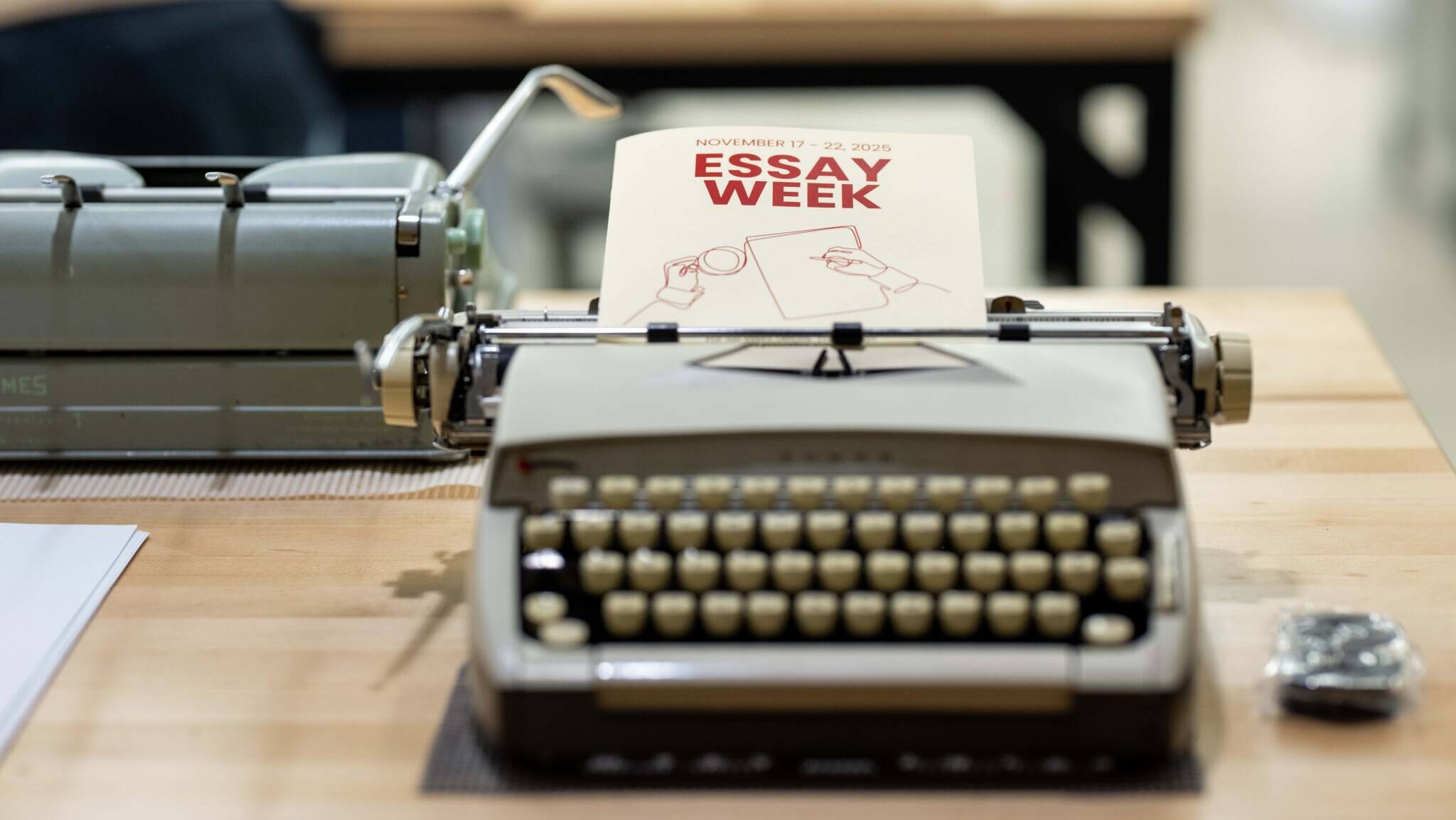
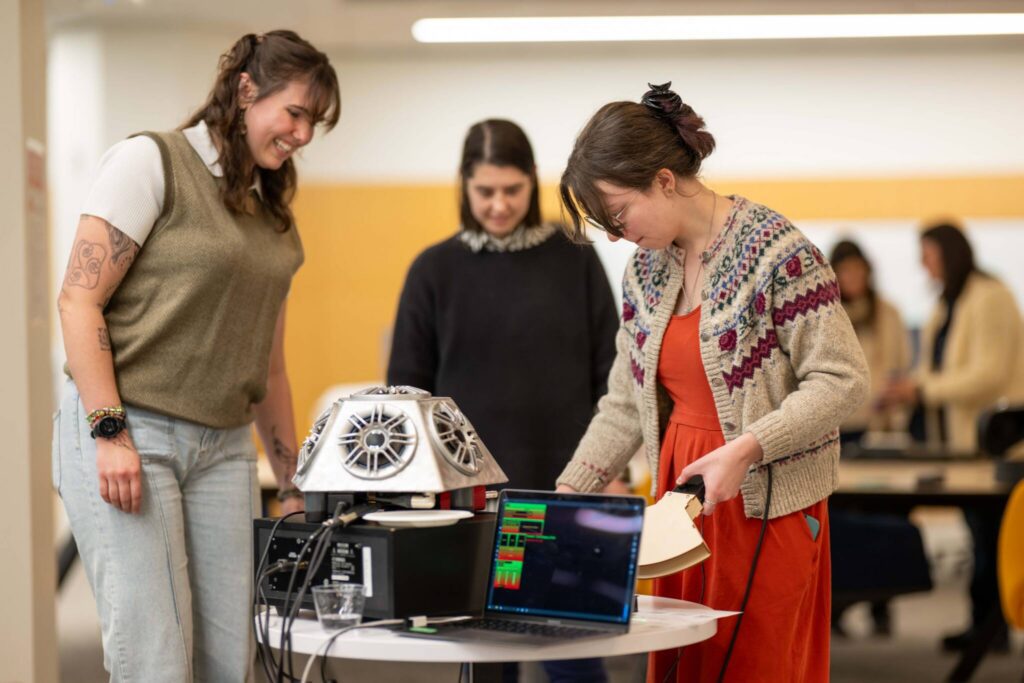
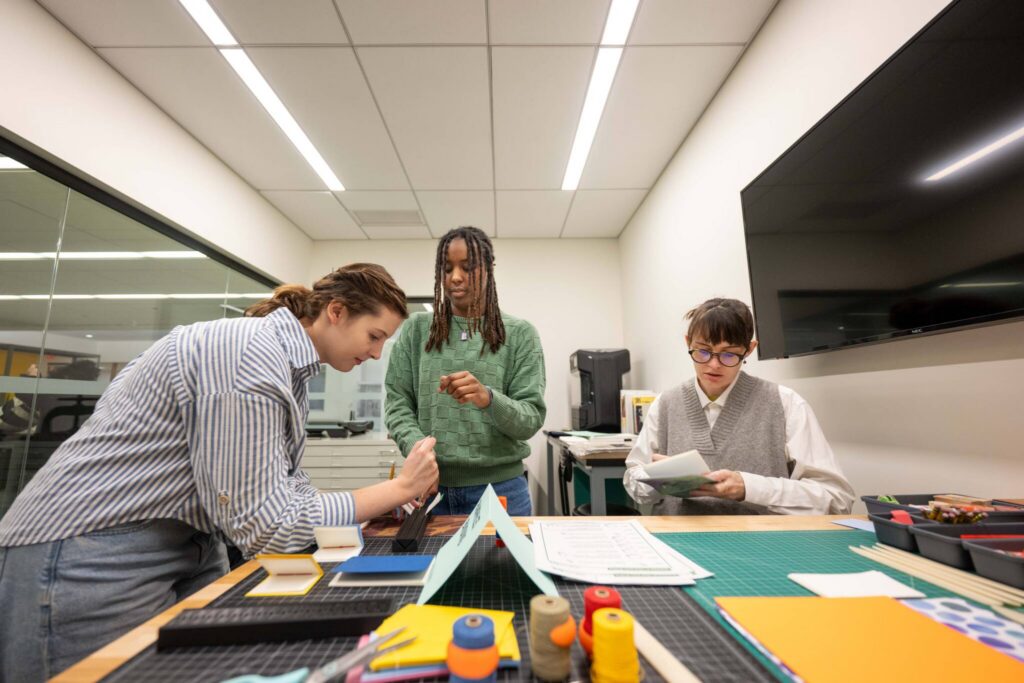
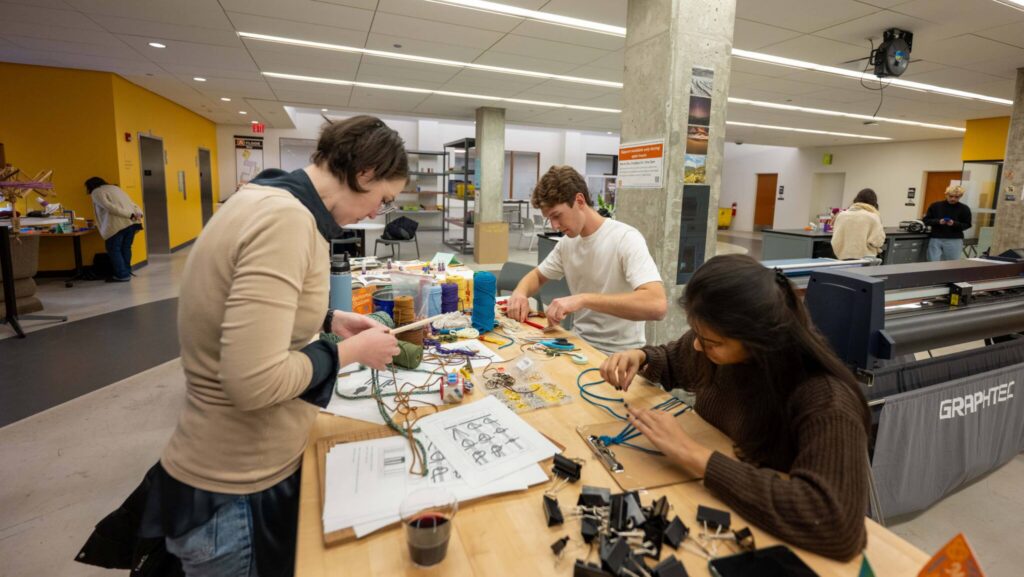
On a late November afternoon in 2025, a group of humanists gathered for the launch of ESSAY WEEK in an unexpected place: the Lewis Science Library. In the heart of the Princeton University Library Makerspace, the opening event invited attendees to explore the essay – not by reading or writing, but simply by “trying.”
Participants attempted macramé keychains, inked letterpress notecards, tested a shuttle loom, slipped on VR headsets, and experimented with a laser-controlled musical instrument. The program, titled “Come Try!,” marked the first of 12 events for ESSAY WEEK, an expansive, six-day celebration of the form.
Presented by the Department of French and Italian, the event series was organized by Christy Wampole, professor and acting chair in the department. The project was supported by a special grant from the Humanities Council.
A ‘renegade spirit’
Modeled in part after a similar event at Stanford University in 2024, ESSAY WEEK sought to embrace the literary form’s versatility across centuries, continents, and cultures.
“There’s a kind of renegade spirit to the essay,” Wampole said. “It doesn’t like rules, it doesn’t like hierarchies, and it has a kind of flexibility that is very customizable to the person.”
With that ethos in mind, she assembled a wide-ranging itinerary featuring nearly three dozen scholars from Princeton and across the United States and abroad to examine the essay’s many shapes and futures.
“The essay can be so many things,” said Wampole. “I wanted to move outside and across languages, across media, across geographies. I wanted to be sure we could intentionally attract lots of different constituencies and communities.”
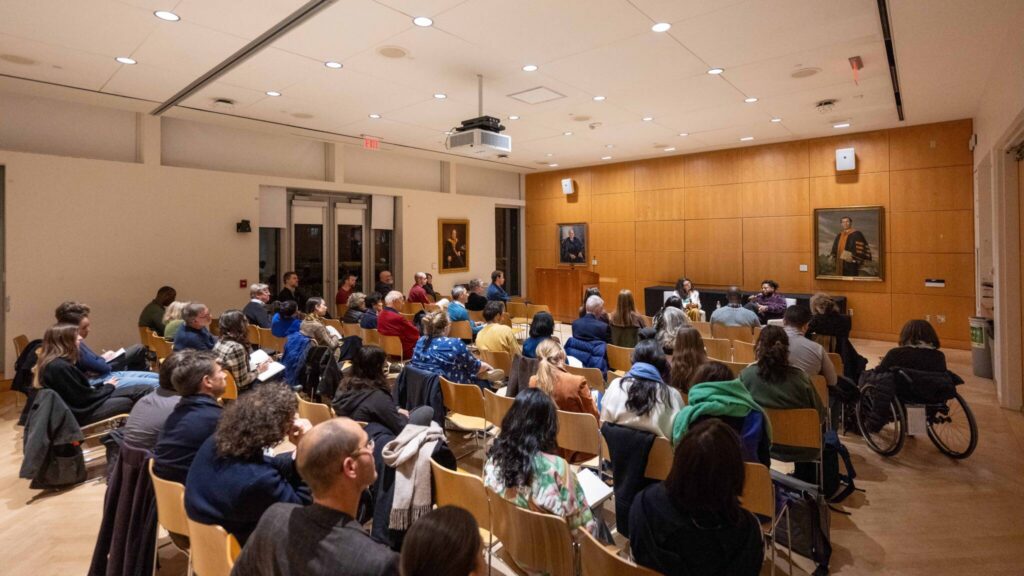
In collaboration with nine co-sponsoring academic units, the series featured panels, conversations, and workshops on topics spanning literary theory and criticism, Michel de Montaigne, the essay and the Black experience, the essay film, and more. Events – held at venues on campus and at the Princeton Public Library – engaged wide audiences from the University community as well as members of the public, many who returned day after day.
ESSAY WEEK was also inspired by the recent publication of “The Cambridge History of the American Essay,” co-edited by Wampole and independent scholar Jason Childs. The volume traces the history and diversity of the essay in the United States and includes contributions from a host of Princetonians including: Andrea Capra, a former fellow in the Society of Fellows in the Liberal Arts and lecturer in the Humanities Council; Florian Fuchs, a research scholar in the Department of German; Carolina Iribarren, graduate student in the Department of French and Italian; Kinohi Nishikawa, associate professor of English and African American studies; and Noah Rawlings, graduate student in the Department of French and Italian.
For many of the publication’s collaborators, ESSAY WEEK offered an opportunity to meet in person after years of online correspondence. “Finally meeting these people that I’ve been working with for over six years on this massive project was a big part of the celebration,” Wampole said.
The essay in conversation
The week’s schedule focused on formal panels and discussions, but Wampole was also eager to create space for informal collaboration and connection. Shared meals, campus walks, and a visit to the newly reopened Princeton University Art Museum encouraged conversation beyond the seminar room. “It was important to me that there was a community aspect to the week,” she said.
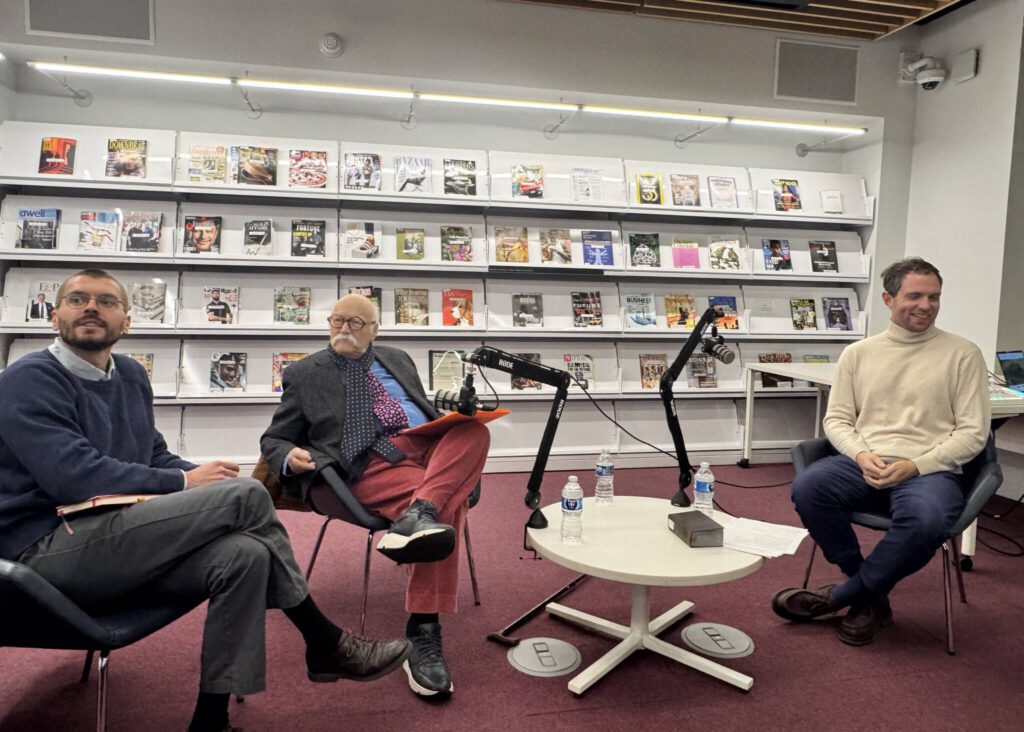
That spirit of exchange animated a public conversation between Emily Greenhouse, editor of The New York Review of Books, and Vinson Cunningham, critic at The New Yorker and Visiting Ferris Professor of Journalism at Princeton.
“It seems to me that the essay – a public announcement of private processes of thought – is more important than ever in our time, when everybody seems to be chasing their own sources of information, entertainment and consolation,” said Cunningham.
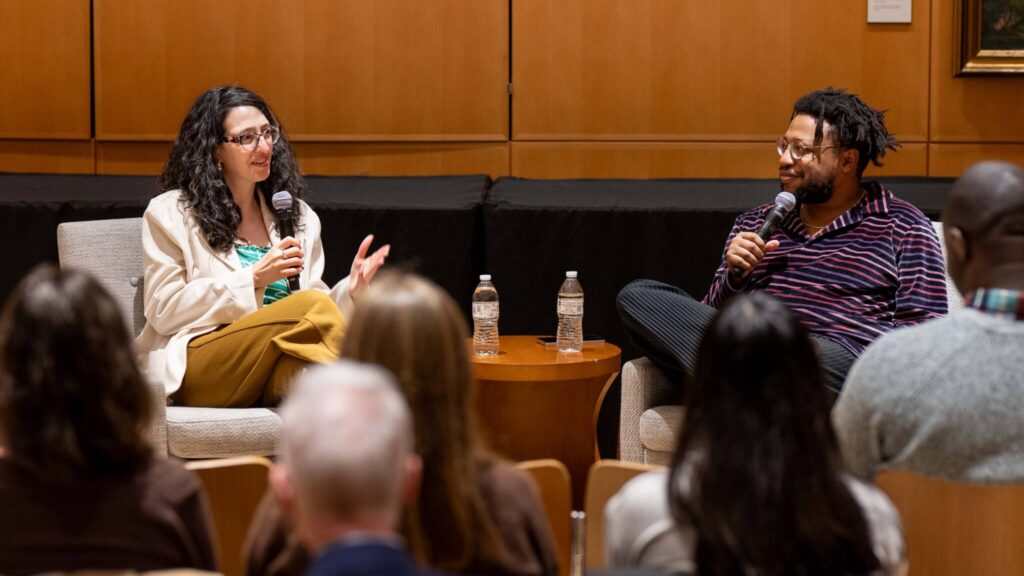
The pair discussed the future of the genre, its limitations, and its enduring appeal. “I loved my ESSAY WEEK conversation with Emily Greenhouse: it was heartening to hear that she’s still finding a hungry audience for work like ours.”
Craft and method were also topics of conversation during the week. Wampole and Denise Gigante, professor at Stanford University and co-editor of “The Cambridge History of the British Essay,” hosted a weekend methods brunch focused on the processes of assembling large-scale scholarly anthologies. The event drew a crowd of both seasoned and aspiring essayists interested in the form.
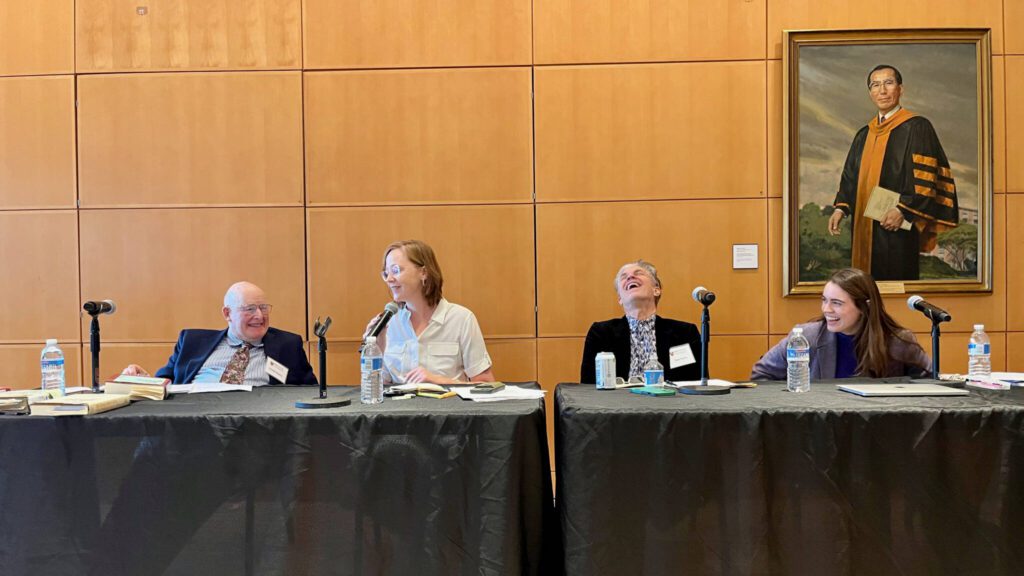
A later panel, moderated by Avram Alpert from the Princeton Writing Program, brought contributors from “The Cambridge History of the American Essay” into conversation about the genre’s margins and centers. Writer Anne Finger examined “Disability and the American Essay,” UC Berkeley professor Hertha Sweet-Wong discussed “The Native American Essay,” and Nishikawa explored “Writing Freedom before and after Emancipation.”
“The experience of writing our chapters [afforded] us the chance to not just analyze but constitute a fresh arrangement of prose selections — selections that, whether obscure or well-known, are rarely studied together for their essayistic qualities,” said Nishikawa, who directs the Interdisciplinary Doctoral Program in the Humanities. “The presentations spoke to how the process of participating in the book project yielded new ways of conceiving the centrality of the essay form to African American, Native American, and disability community literatures.”
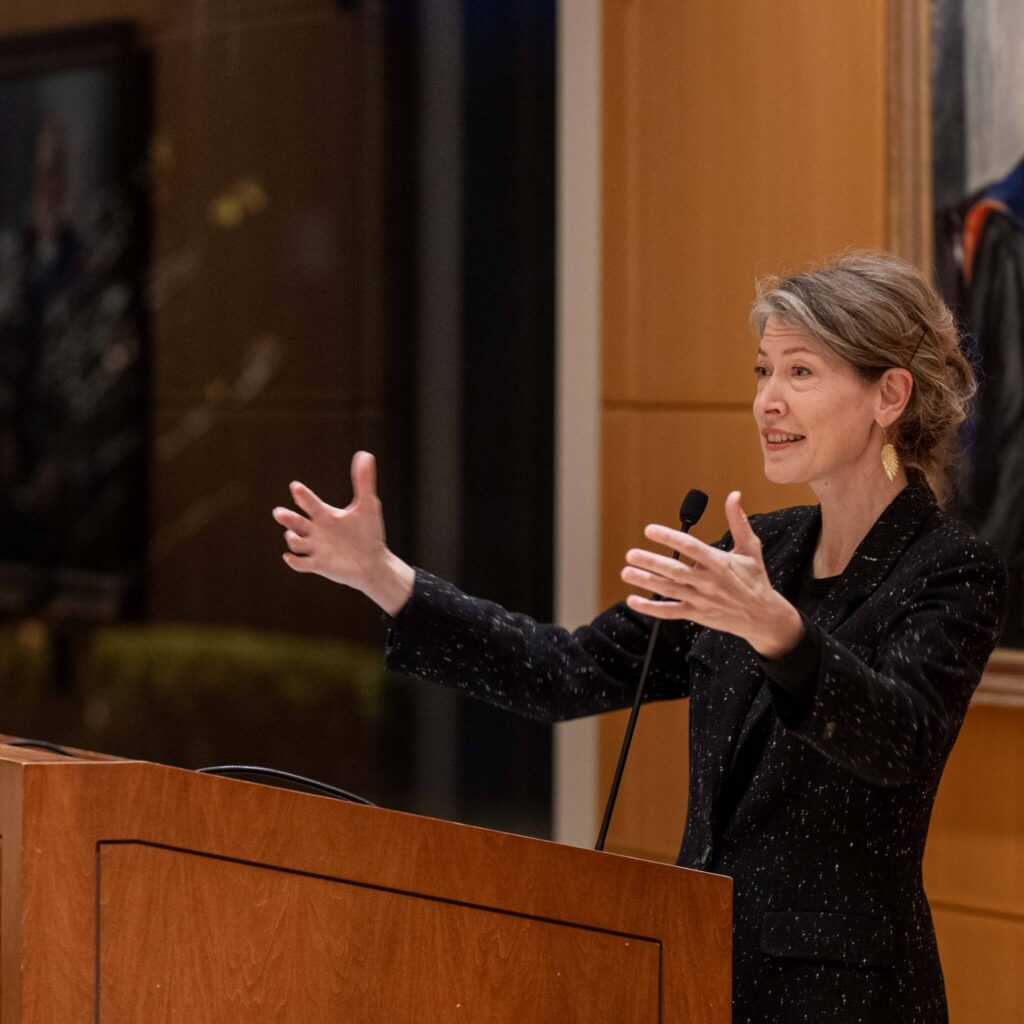
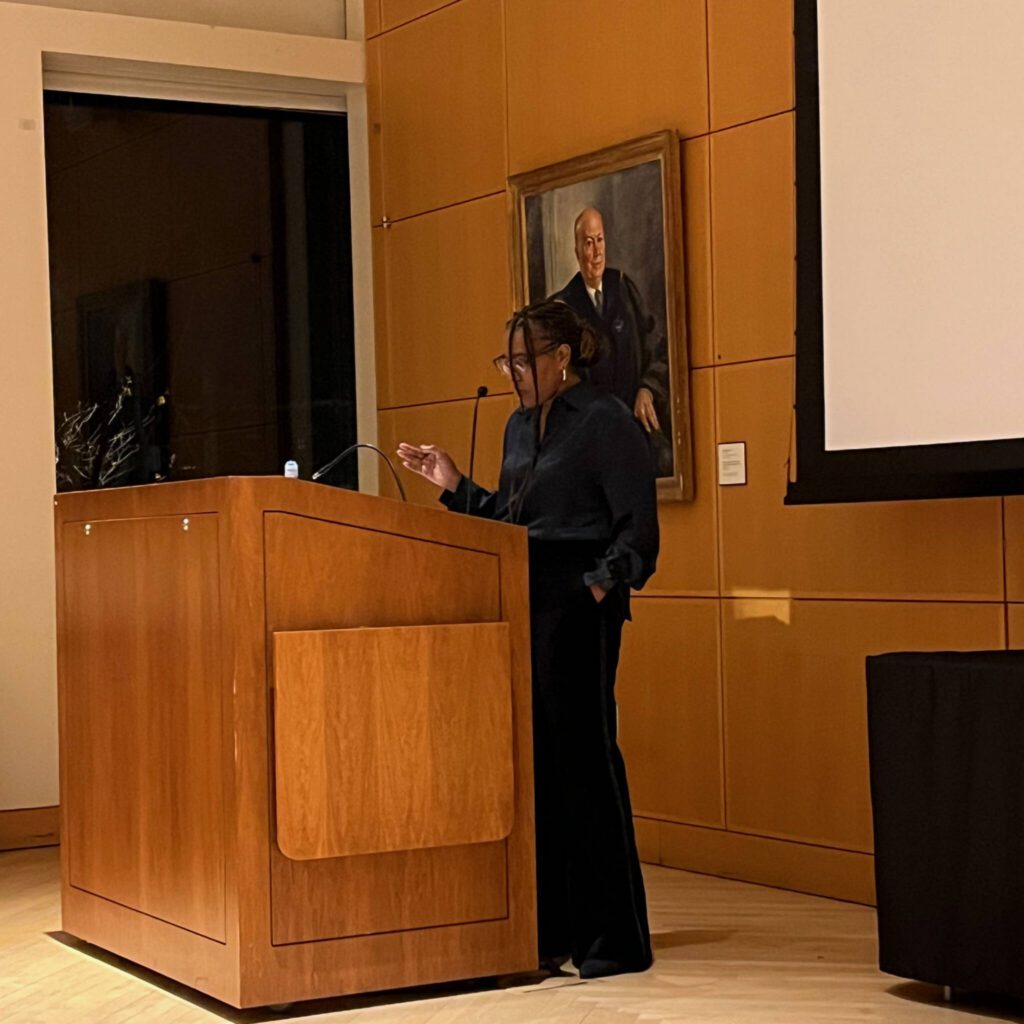
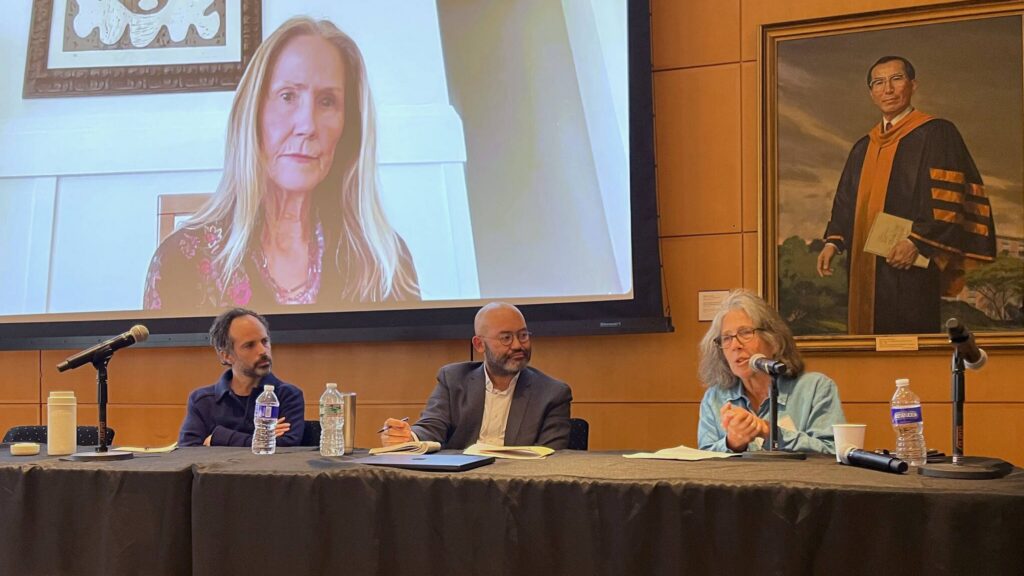
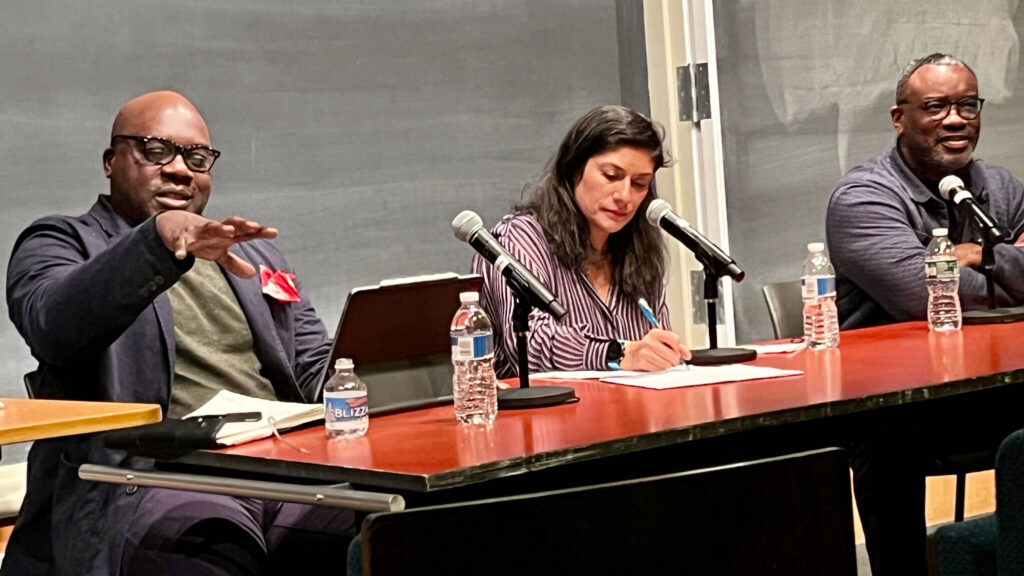
The week concluded with a keynote address, “Fierce Urgency and Fugitive Pieces,” delivered by Pulitzer Prize-winning critic Salamishah Tillet. Blending the public and the personal, Tillet explored the relationship between time, genre, and relevancy in the present-day African American essay. Inspired by the late literary critic Cheryl Wall and drawing on her conversations with writers like Claudia Rankine and Ta-Nehisi Coates, Tillet’s lecture underscored the essay’s capacity to blend the personal and the public.
“The keynote lecture was both a scholarly tour de force and a pedagogical masterclass on the art and practice of contemporary essay writing,” Nishikawa said.
Celebrating by doing
ESSAY WEEK also invited Princeton students to celebrate the form by contributing essays of their own. Separate contests for undergraduate and graduate students culminated in $1,000 awards, judged by volunteers participating in the week’s events.
Mariana Castillo ’26, a comparative literature major pursuing minors in creative writing and Latin American studies, won the undergraduate prize for her essay “Tongue Harbor,” which was inspired by Salvador Dalí’s surrealist art and writing, as well as conversations about false memory and trauma.
“That blurred boundary between memory and imagination is at the root of my essay,” Castillo said. “It is both unsettling and generative, and shapes not only the essay but the way I understand storytelling itself.”
Two graduate students shared the top prize; anthropology student Jose Santana Guerra for “In the Ruins of Joyland” and French and Italian student Saumya Devrani for “Hands That Remember and Seeds that Heal.”
“I decided to enter the ESSAY WEEK contest without knowing how to write an essay,” said Devrani. “I had only one guiding thought: I would try to write the truth.”
For Wampole, announcing the winning essays in a room filled with scholars, students, and practitioners – and alongside staff and faculty who helped make the week possible – brought the event series full circle. ESSAY WEEK ended just as it began, with a celebration of the attempt.
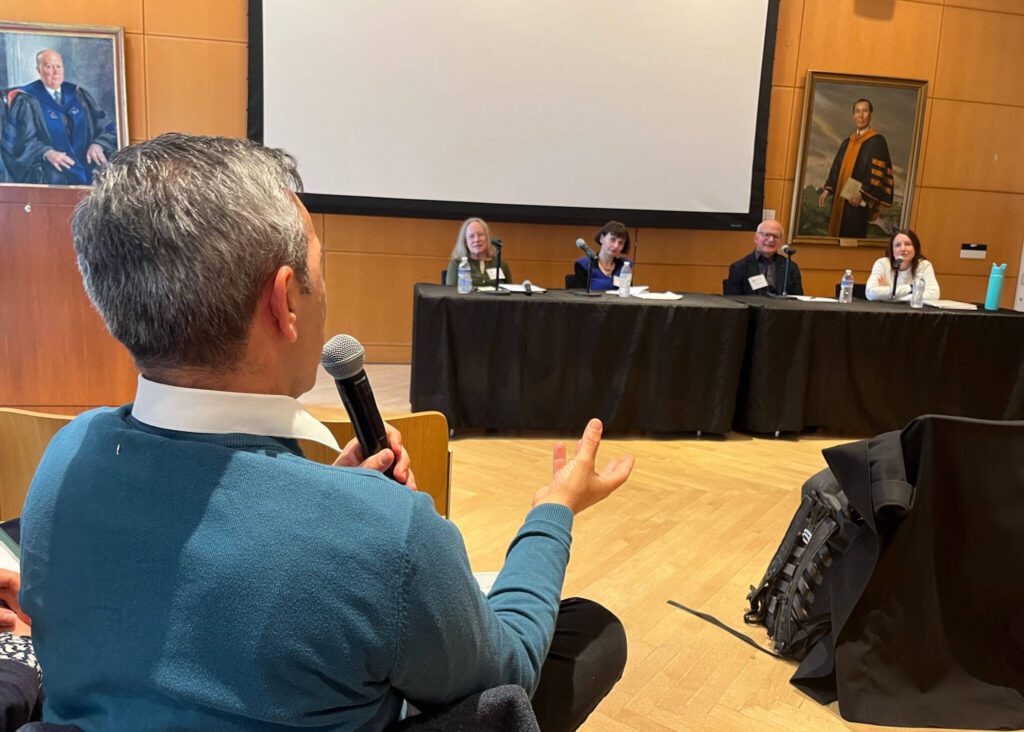
ESSAY WEEK was presented by the Department of French and Italian with support from the Eberhard L. Faber 1915 Memorial Fund in the Humanities Council. It was co-sponsored by the Department of African American Studies, the Department of Comparative Literature, the Department of English, the Department of German, the Program in European Cultural Studies, IHUM, the Princeton Public Library, the Program in Journalism, and the Committee on Renaissance and Early Modern Studies.