


Walking with Stories: Palestine, Memory and Practices of Ongoing Return
Rana Barakat, Belknap Long-Term Visiting Fellow in the Humanities Council and Department of Anthropology; Julia Elyachar, Anthropology and PIIRS
Thu, 4/23 · 4:30 pm—6:00 pm · 219 Aaron Burr Hall
Department of Anthropology; Princeton Palestinian Studies Colloquium; Humanities Council


Grounded in the land and people of Palestine, (2026) centers Lifta, a village of Jerusalem, as the starting point for stories of the Nakba War (1947-1949) and practices of ongoing return, recounted through a methodology I call “walking with stories.” I first take on the “specter of the Red Indian,” the PLO (Palestine Liberation Organization) and complexities of the Indigenous comparison with the question of Palestine through analysis of writings of Yasser Arafat, Edward Said and Mahmud Darwish. Drawing on stories, court cases, archival materials, and techniques of preservation/erasure, Ongoing Return then sheds light on museumification as a way of turning Palestine into a “biblical landscape” during the colonial mandate period; memories and stories of the Nakba War 1947/48; the horror of forced expulsion – all through the lens of a from the politics of recognition and representation in 1968 to the devastation of war in Beirut 1981/82 and through the second Intifada in 2002. Palestinian commitment to ongoing return. Across five chapters, the book gathers and reframes stories of the past to present ongoing return as a practice and a mode of being.
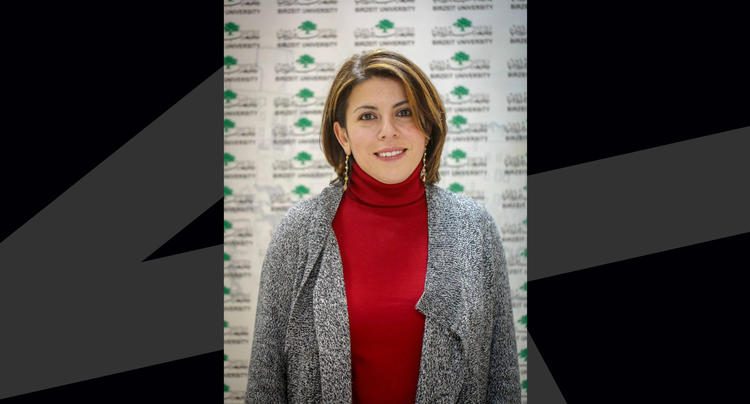
Rana Barakat is an associate professor of history and the Director of . Her research interests include the history and historiography of colonialism, nationalism, and cultures of resistance. She earned her PhD in history from the University of Chicago and has published in notable venues including the Journal of Palestine Studies, Jerusalem Quarterly, Settler Colonial Studies, and Native American and Indigenous Studies. Her forthcoming book, Ongoing Return: Storytelling as a Map of Return to Lifta and Palestine (UNC Press), advances an Indigenous understanding of time, space, and memory in Palestine by focusing on the details of the people and place of Lifta village over time. She is currently working on her next book, “The Buraq Revolt: Constructing a History of Resistance in Palestine,” which argues that this 1929 revolt was the first sign in the Mandate period of sustained mass resistance to the settler-colonial project, including direct and rhetorical actions against both political Zionism and British imperialism, planting seeds of mass political mobilization.