



Twice Gendered: Danggui in Chinese Medical History
Jen-der Lee, Institute of History and Philology, Academia Sinica, Taiwan
November 5, 2025 · 4:30 pm—6:00 pm · 202 Jones Hall
East Asian Studies Program


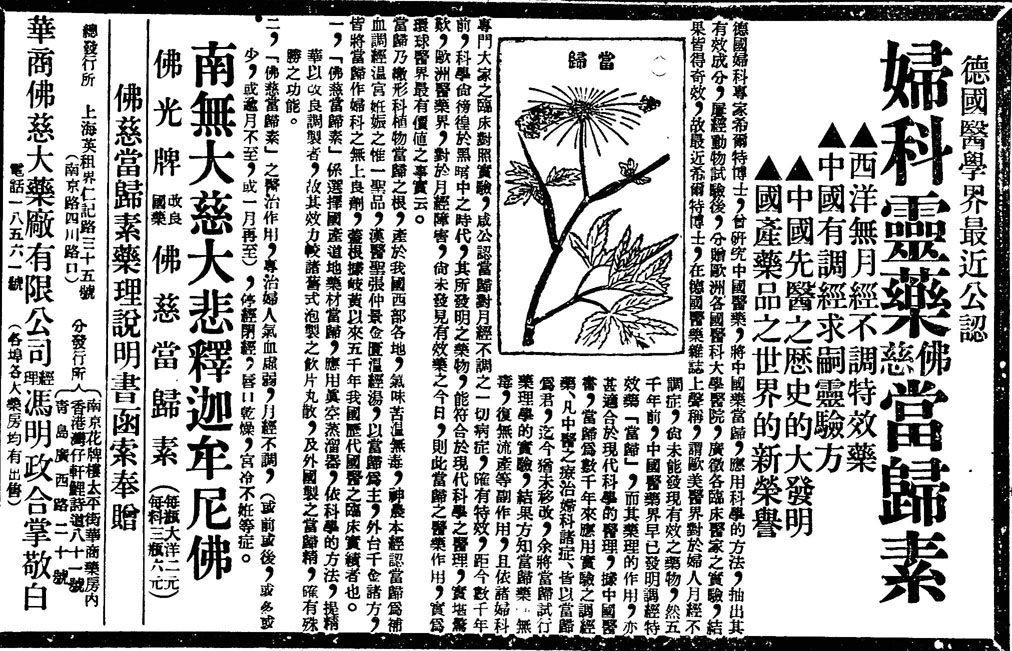
Understood to “move and regulate the blood,” danggui 當歸 — one of the most prolifically used substances in the Chinese materia medica—has been incorporated into pain-relief formulas since antiquity. Cao Cao 曹操, the famous third-century warlord, is said to have infused danggui as a tonic to ease his chronic headaches. In contrast, in sinophone communities today, danggui is best known for its restorative function after menstruation and ranks among the most popular dietary supplements for women of childbearing age. Danggui first assumed a gendered role as Chinese gynecology gradually took shape between the fifth and thirteenth centuries. Although Japan and Korea imported Chinese medical texts during this same period, neither fully embraced danggui as “the essential medicine for women,” a designation that became distinctive to Chinese medical culture. This talk traces the evolving applications and representations of danggui across history, with particular attention to the second wave of its gendering in the early twentieth century. During this period, its association with female reproductive health was reinforced—not only as an emmenagogue circulating on the international market but, more importantly, as a symbol of national hope, as Chinese physicians, scholars, and entrepreneurs reformulated this ancient remedy in response to Western medical encroachment.
This is the seventeenth annual Frederick W. Mote Memorial Lecture.