




Rethinking the Naked Warrior: Armor, Sculpture, and the Body in Archaic and Classical Greece
Seth Estrin, Harvard
Tue, 3/31 · 4:30 pm—6:00 pm · 010 East Pyne
Department of Classics; Program in Archaeology


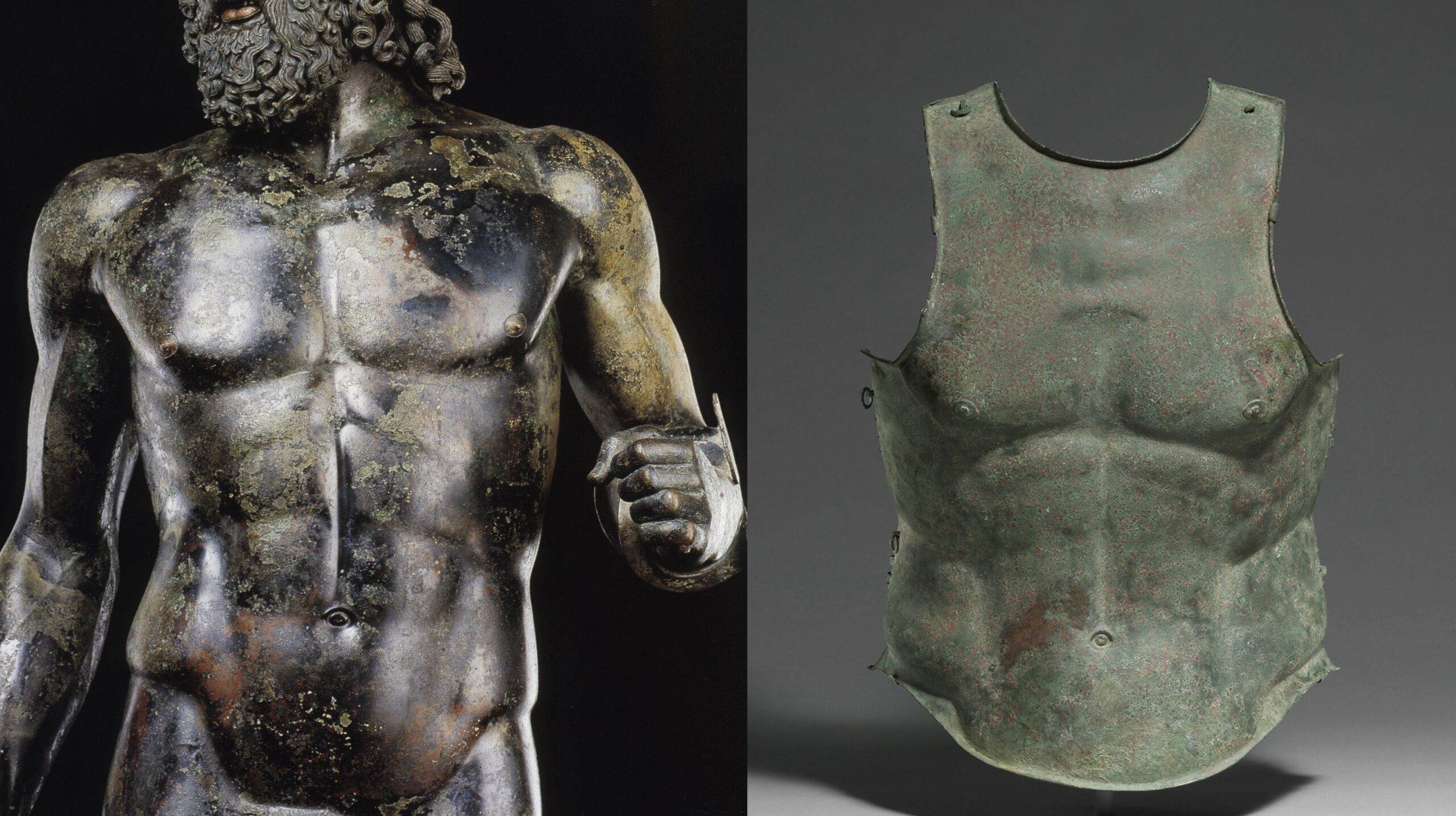
One of the most iconic figures in Classical Greek art is the naked warrior. Sporting little more than a helmet, shield, and spear, this figure has long been regarded as an artistic convention, one whose state of undress contradicts actual military practice and replaces it with an idealizing costume. Yet if nudity is bound to living flesh, what does it mean to call a figure made of stone or bronze “naked”? This talk offers a new understanding of the naked warrior by tracing formal, material, and conceptual connections between sculpted bodies and body armor in the Archaic and Classical periods. Focusing on the torso and the breastplate, both designated in Greek by the term thorax, I bring their dynamic interaction into dialogue with Homeric and other literary presentations of the warrior’s body as a fusion of flesh and armor—in essence, a living object. Seen within this discourse, the statue of the naked warrior serves not as a conventionalized image of reality, but as a material realization of a cultural construct: he is simultaneously armed and nude, without contradiction. When rendered in cast bronze as part of a victory monument, the warrior’s undressed body can be understood as the direct product of acts of violence—military conquest and the despoiling and melting down of armor—that both occasioned the statue’s commission and provided its material.