



Workshop: Reconsidering Socialism & Modernity (SovMode)
October 17, 2025—October 18, 2025 · Princeton University
Humanities Council; Program in Russian, East European, and Eurasian Studies; Department of Slavic Languages and Literatures


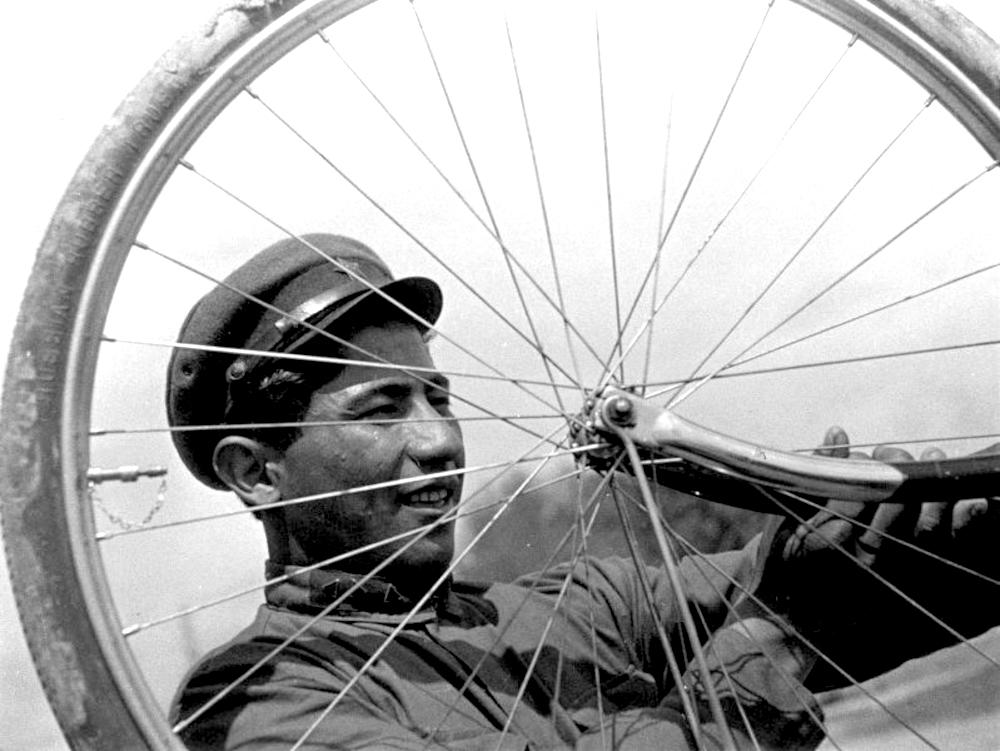
The Soviet Union was a paradoxical space of both liberation and repression. Bolshevist radical policies opened up unprecedented opportunities for emancipation through enfranchisement, access to education, social mobility, and mass welfare. At the same time, Soviet campaigns of political persecution, forced collectivization, and the Gulag silenced or destroyed the very subjects of emancipation.
The promise and practice of emancipation became a powerful force for social mobilization, energizing workers, women, youth, and intellectuals across the Soviet Union and even beyond its borders. However, because emancipation was uneven in its reach and application, its potential was also constrained, generating disillusionment, dissent, and alternative visions of freedom.
SovMode-2025, the second workshop in the three-part series SovMode: Reconsidering Modernity and Socialism, funded by a Collaborative Humanities Grant from the Princeton University Humanities Council, is dedicated to the theme “Combined and Uneven Emancipation: Exploring Benefits and Pitfalls of Soviet Modernity.”
The workshop will examine Soviet emancipation projects, which were distributed unevenly across social, gendered, ethnic, and geographic divides, against the backdrop of the multiple contradictions engendered by the promises and limits of Soviet modernity in the twentieth century.