




Preaching and Hiding: Buddhist Stuff, Spirits, and Storytelling in Early Modern Sōtō Zen Secret Documents
Marta Sanvido, Yale University
Wed, 4/1 · 4:30 pm—6:00 pm · 202 Jones Hall
East Asian Studies Program


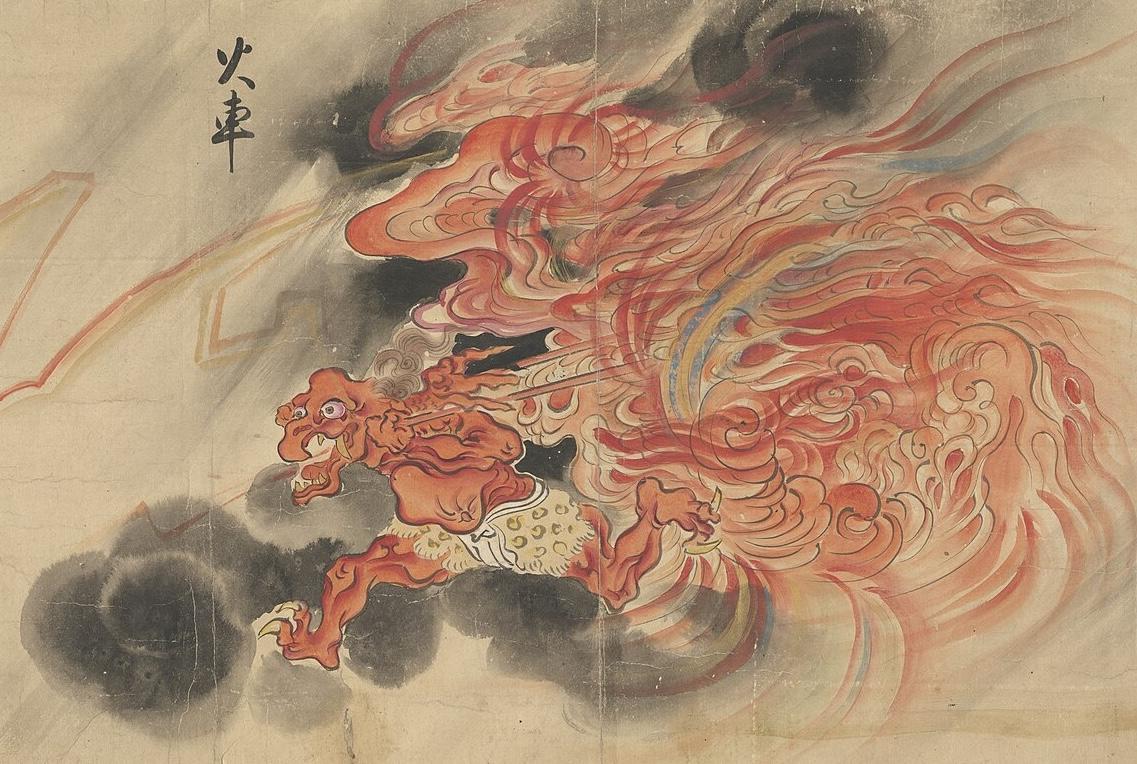
The reality of peripheral Sōtō Zen temples in the early modern period was inhabited not only by monks but also by tormented spirits, uncanny presences, and malevolent beings. Such entities, while not unique to Sōtō Zen, appear throughout Buddhist literature as routine features of monastic life, accompanied by extensive ritual and doctrinal reflections on their ontological status. During this period, monks’ responsibility for pacifying these beings became increasingly prominent, particularly within didactic tales intended to educate lay audiences about the karmic implications of unwholesome actions and their consequences for future rebirths. At the same time, Sōtō monks relied on secrecy to transmit ritual instructions and doctrinal exegesis concerning the nature of these supernatural beings. Although these two bodies of materials may seem contradictory, this talk argues that reading narratives and secret sources together yields crucial insight into how monks understood such tormented spirits within the framework of Buddhist practice and doctrine, and how they probed their ontological condition.
This presentation proceeds along two intertwined trajectories: the visible and the unseen. Visible are the stories of monks subduing spirits, the monastic implements wielded as tokens of Dharma power, and the tangible effects these entities had on temple communities. Unseen are the spirits themselves, the covert interpretations embedded in ritual objects, and the kōan exegesis preserved in kirigami—paper strips transmitted confidentially from master to disciple—asserting that these supernatural manifestations were ultimately empty.
In sum, this talk demonstrates that narratives (the visible) and secret insights (the unseen) were deeply interdependent and must be examined together to illuminate Sōtō Zen monks’ conceptualization of the ontological nature of supernatural beings.
Marta Sanvido is an assistant professor of Religious Studies at Yale University. She received her Ph.D. from Ca’ Foscari University of Venice (Italy), where she specialized in the doctrinal history of medieval and early modern Sōtō Zen as preserved in secret manuscripts known as kirigami. She is currently completing her first monograph, tentatively titled Everyday Secrecy: Narratives, Communities, and Kirigami in Sōtō Zen Buddhism. The book examines the relationship between secret knowledge and the everyday religious practices of local Buddhist communities, particularly within the Sōtō Zen tradition, from the fifteenth to the late eighteenth century.