


Fragile States, Resilient Autocracy, and the Precarious Path to Democratization in the Arab World
Ezzedine C. Fishere, Dartmouth
Wed, 3/25 · 12:00 pm—1:30 pm · 001 Robertson Hall
Institute for the Transregional Study (TRI)


In this talk, I explain why democratization in the Arab world faces profound structural obstacles. Using Egypt as a case study, I argue that the central barrier is a deep condition of state fragility produced by a neo-sultanic mode of governance in which autocrats consolidated personal power by subordinating social actors and hollowing out state institutions. This mode of rule not only weakens the state’s regulatory and executive capacities; it also stifles market formation and entrenches social polarization. The result is a paradox in which the fragile state becomes ever more dependent on personalized authoritarianism to survive, which in turn deepens fragility, creating a self-reinforcing cycle. Democratic openings under these conditions tend to lead either to state breakdown or authoritarian restoration. The main challenge for Arab states, therefore, is to break the dual dynamics of state fragility and neo-sultanism at the same time – a precarious path and far from assured.
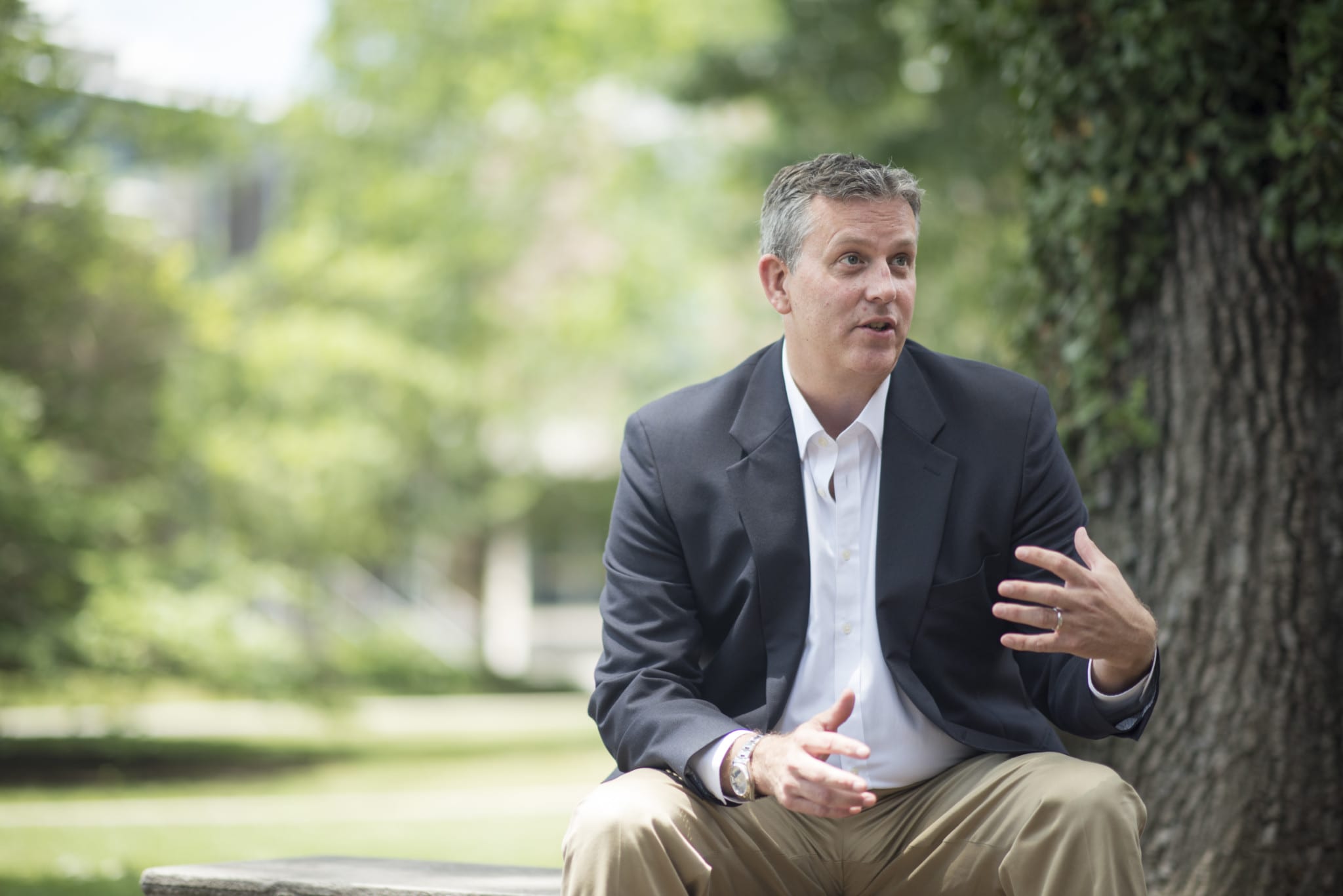
Ezzedine C. Fishere is a Distinguished Fellow at Dartmouth, where has taught Middle East politics since September 2018. Earlier, he was an associate professor of political science at the American University in Cairo. A novelist and former career diplomat, he became involved in Egyptian politics during and after the 2011 Tahrir Uprising, advising pro-democracy groups and writing widely on regional affairs.
In government and diplomacy, he served as Assistant Minister for Culture during the 2011 uprising and held ambassadorial roles in Egypt’s Foreign Service. His postings included rapporteur of the Independent Commission on Restructuring the League of Arab States, counselor to the foreign minister on Arab-Israeli relations and regional security, and head of the political section at Egypt’s embassy in Tel Aviv. He also worked with UN missions in Jerusalem, Sudan, and the Hariri fact-finding mission, and directed the Arab-Israeli project at the International Crisis Group.
Fishere has published numerous Arabic novels; three were nominated for the Arabic Booker Prize (2008, 2011, 2021), and two were adapted for pan-Arab television. His works in translation include Embrace at Brooklyn Bridge, The Egyptian Assassin, and All That Nonsense . In 2024, he published an Arabic book on the social origins of Egypt’s state fragility.