





Anarchic Justice: Responding to the “Enforced Disappearance Apparatus” in Mexico
María Bacilio, PLAS Postdoctoral Research Associate and Lecturer
Tue, 3/3 · 12:00 pm—1:15 pm · 216 Aaron Burr Hall
Program in Latin American Studies


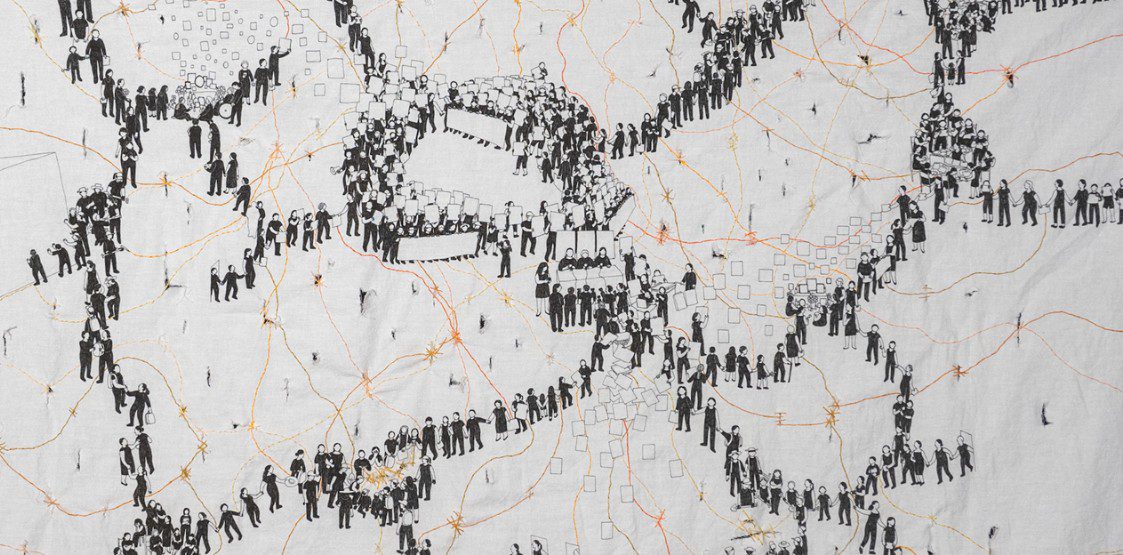
Since at least the 1950s, Mexico has endured the systematic practice of enforced disappearance. During the second half of the twentieth century, communist guerrillas groups constituted the first generation of victims. From the 1990s to the present, however, women (such as workers in Ciudad Juárez), Mexican citizens, and migrants have formed a second generation of victims. The persistence and devastating consequences of this practice—today reflected in more than 130,000 forcibly disappeared persons—compel us to ask how Mexico arrived at this situation and why enforced disappearance has become the predominant form of violence in the country. In this lecture, we will argue, drawing on a field-philosophy approach to testimonial accounts, that only by understanding enforced disappearance as a power apparatus can we fully apprehend the legal-political structure underlying Mexico’s dramatic situation. This perspective also enables us to show why the political and ethical organization of the mothers of the first and second generations of victims—known respectively as the Doñas (“the ladies”) and the Buscadoras (“the searchers”)—could only give rise to what we term anarchic justice.