





PRENTICE LECTURE: Finding a place for ancient Rome in the global history of philosophy
Rebecca Langlands, University of Exeter
Tue, 11/10 · 4:30 pm—6:00 pm · 010 East Pyne
Department of Classics


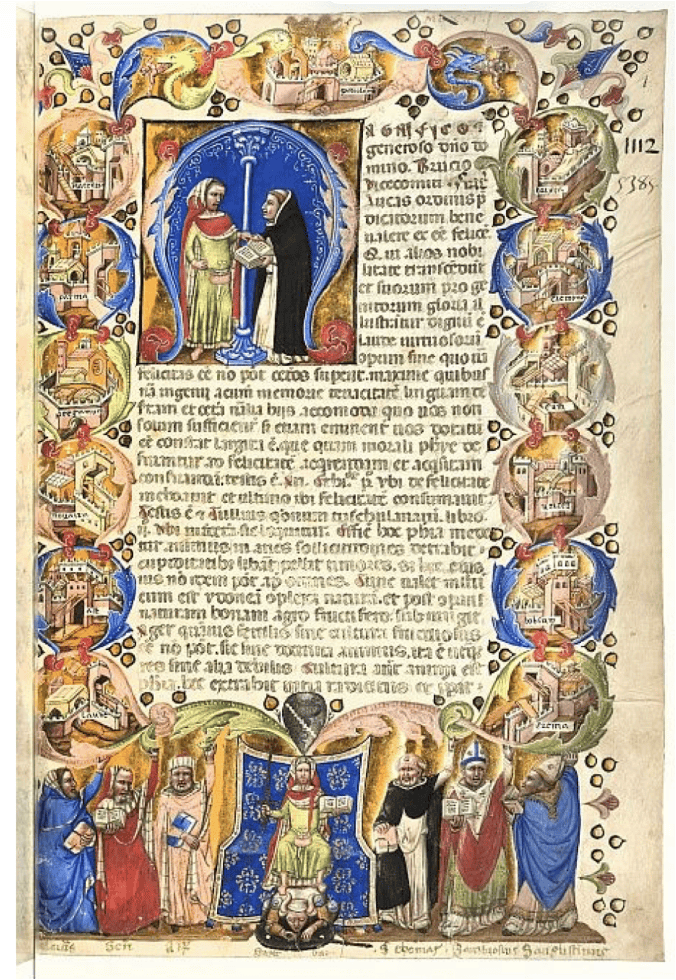
This lecture makes the case for the relevance of Roman exemplary ethics within a global history of philosophy. Roman moral exempla constituted a rich resource for rhetorical argument and moral teaching, but also formed part of a lived ethical practice, which influenced ancient philosophical traditions (including Greek, Roman, Jewish and Christian) in a multi-cultural antiquity. One influential Roman work was Valerius Maximus’ Memorable Words and Deeds, which later became a central reference point for Renaissance humanism and the direct inspiration for some of the greatest art, literature and philosophy of this period. Valerius was considered an important ethical writer not only for his preservation of historical exempla, but also for the mode of his exemplary ethical writing, which shaped European thought. A global history of exemplarism has a particular urgency today, given the new appetite among contemporary philosophers, and political and education theorists for serious academic study of moral exemplarism. My ongoing research works towards a global history of exemplary ethics, exploring both the roots of European moral exemplarism in ancient Roman culture, and the striking parallels with ancient Roman exemplary practices in non-Western traditions such as ancient Chinese philosophy or Classical Persian and Arabic literature.