



Political Poetry’s Conundrums
Juliana Spahr, Bain-Swiggett Visiting Professor
Mon, 11/30 · 4:30 pm—6:00 pm · 100 Jones Hall
Department of English


In the spring of 1967, Fisk University was asked to host two conferences. The first, scheduled for early April, would have been organized by SNCC and would have featured Kwame Ture (then going by Stokely Carmichael). Fisk declined. The second, scheduled for mid-April, was a literary conference organized by John Oliver Killens that featured writers such as Gwendolyn Brooks and Amiri Baraka (then going by LeRoi Jones). This one, “Black Writers and Human Rights,” was allowed to proceed. Ture, never one to give in easily, came to Nashville anyway. He spoke to students at Fisk and at Tennessee A&I without administrative permission, and then at a large public symposium at Vanderbilt. At all three events his subject was Black self-determination and his rhetoric was in no way fiery. He was over a hundred miles away in Knoxville when a drunk-and-disorderly arrest outside a Nashville dinner club set off three days of police rioting. Unaware there was a warrant out for his arrest because of the riot, he naively returned to Nashville and had to sneak out of town in disguise.
Two weeks later, at the literary conference, Baraka read “Black People!,” a fiery poem that encourages its readers to loot and to kill white men. He was applauded and left Nashville with no problems. A few weeks after that, Brooks began a poetry workshop with the Blackstone Rangers in a church basement in Woodlawn.Tracking that asymmetry, and the afterlife of “Black People!” as it travels through the emerging New Left, this talk asks how poetry keeps, and loses, its politics.
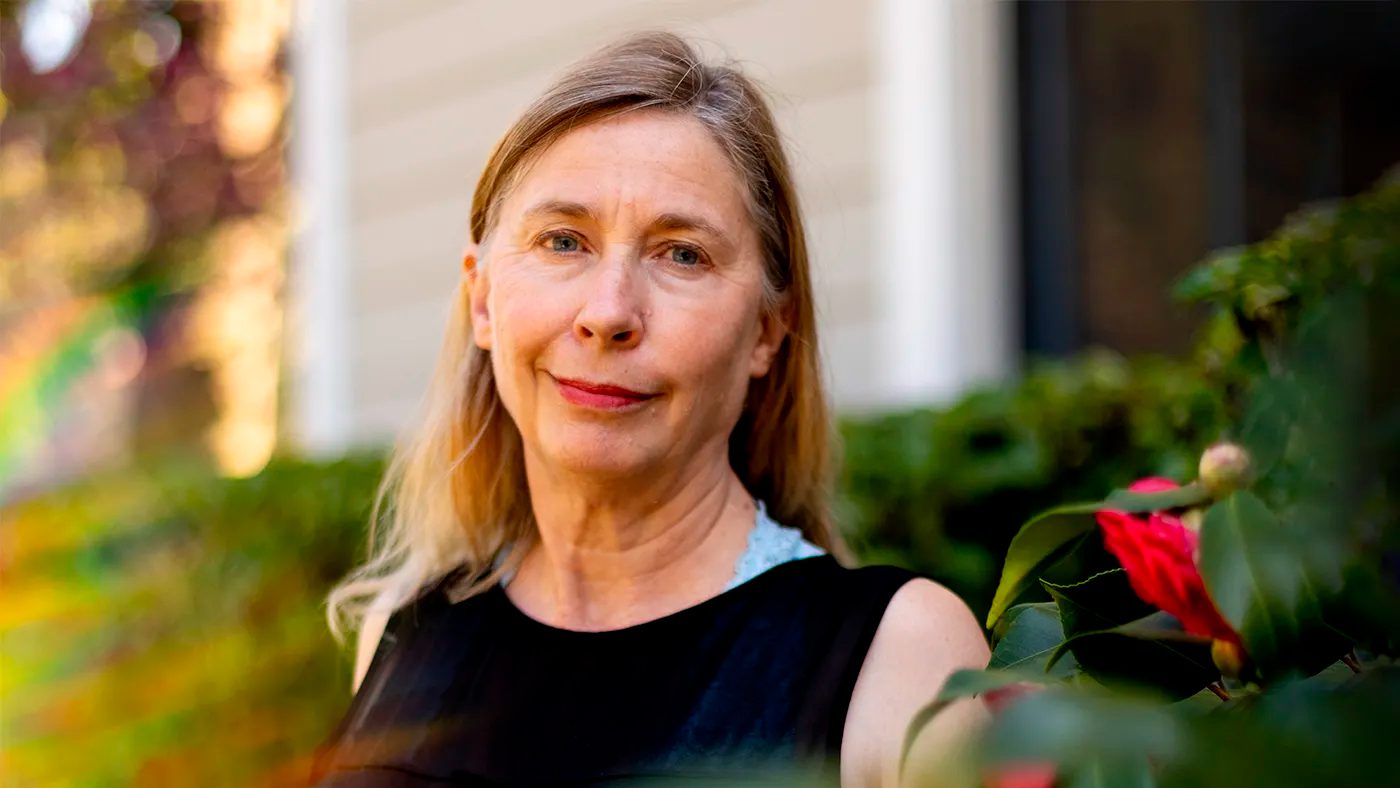
Juliana Spahr is a poet and scholar. Her scholarly work focuses on 20th-century and contemporary American literature and its relation to the state and also to social movements. She uses a range of approaches, including data collection, computational and network analysis, archival research, and close reading.
Spahr was awarded the 2026 Pulitzer Prize in Poetry for Ars Poeticas, published by Wesleyan University Press on February 4, 2025. Her most recent previous poetry book, That Winter the Wolf Came (Commune Editions, 2015), was listed in The New Yorker as one of the best books in 2015. She has received fellowships from the Stanford Humanities Center and the American Council of Learned Societies. She has been rewarded the O. B. Hardison Prize from the Folger Shakespeare Library. Previous to these works, she published four full-length collections of poems, two books of prose that might be memoirs, and a book of literary scholarship on U.S. experimentalism.