



Physical Book-Burning, Digital Book-Burning & the Survival of LGBTQ+ Historical Knowledge
Gerard Koskovich, public historian
Tue, 10/27 · 12:00 pm—1:20 pm · 243 Corwin Hall
Program in Gender and Sexuality Studies; Princeton University Library; Humanities Council


LGBTQ+ knowledge was suppressed by the Nazi Regime in Germany and is under attack by the MAGA Regime in the United States today. State-sponsored erasure of queer and trans history is reflected in the flames of book burning in both eras—physical in the past, digital in the present. In this illustrated talk, queer historian Gerard Koskovich draws on 45 years of experience in the field to trace parallels between the 1930s and the present and to assess why the queer and trans past matters, why this heritage is a target for technofascism, and how scholars and community members are fighting back to ensure the survival of LGBTQ+ historical knowledge.
ABOUT THE PRESENTER
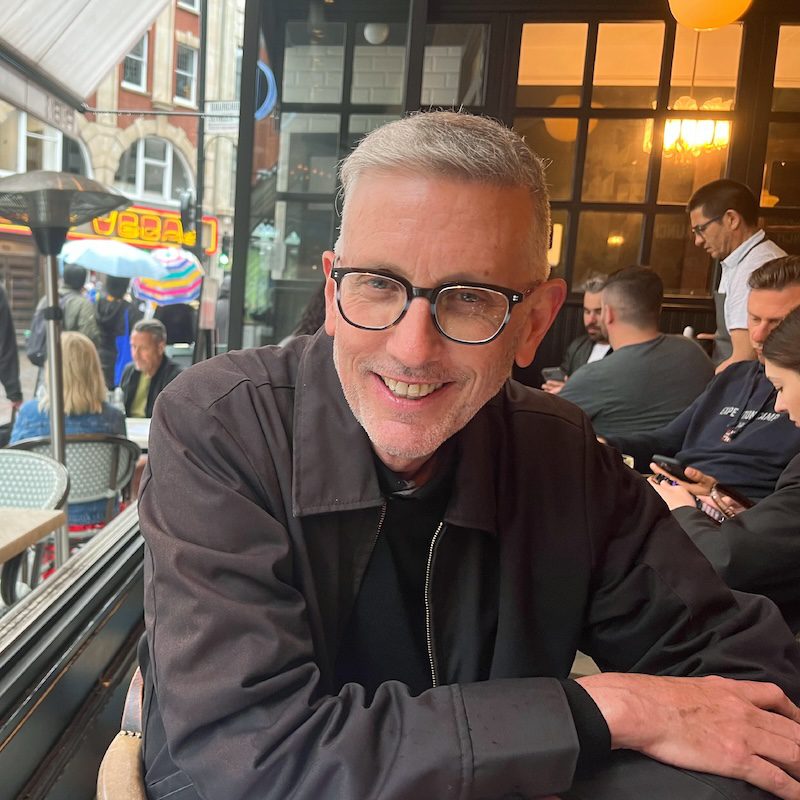
Gerard Koskovich is a public historian and book dealer who divides his time between San Francisco and Paris. A founding member of the GLBT Historical Society in San Francisco and a member of the Centre d’Archives LGBTQI+ in Paris, he has been active in the movement to create LGBTQ+ archives and mu-seums for more than four decades.
Koskovich has curated numerous exhibitions and has presented and published widely in English and French, most recently with a focus on the history of the Castro District in San Francisco; on the history of queer history as a cultural practice in the United States; on LGBTQ+ preservation and intangible cultural heritage; and on the work of early-20th-century homosexual and transgender emancipation pioneer Dr. Magnus Hirschfeld. His work has appeared in translation in Czech, German, Italian, Japanese and Spanish.
Koskovich is a life member of the LGBTQ+ History Association and a full member of the Antiquarian Booksellers Association of America and the International League of Antiquarian Booksellers. He received the 2020 Clio Award from the GLBT Historical Society for his contributions to advancing the understand-ing of LGBTQ+ history.