




Haunted Archipelago: Snakes, Serpents, and Dragons in the Eco-Social Imaginary of Japan
Haruo Shirane, Columbia University
Wed, 10/28 · 4:30 pm—6:00 pm · 202 Jones Hall
East Asian Studies Program


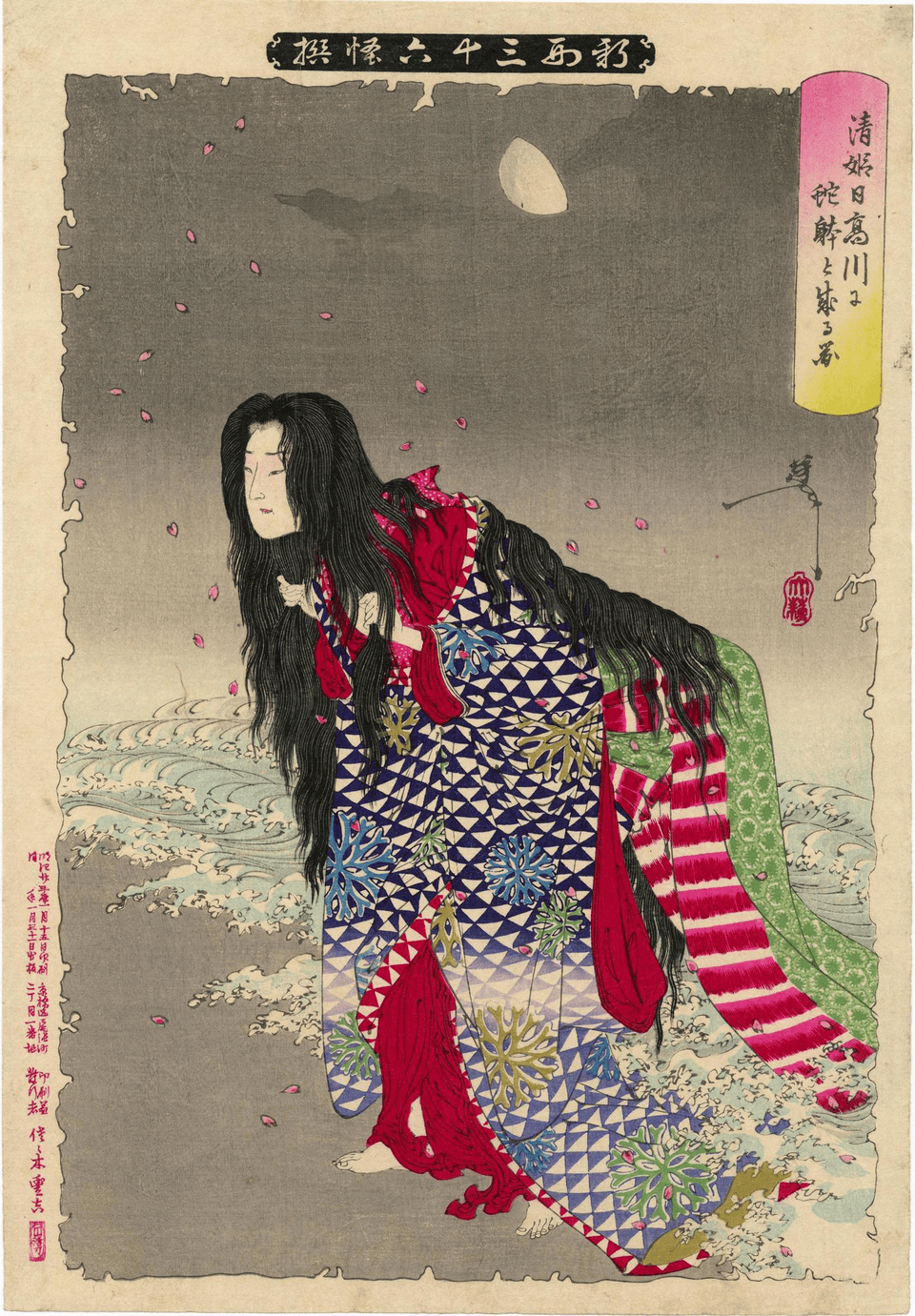
The rat snake (aodaishō), by far Japan’s most ubiquitous snake, is frequently found inside farm houses and roofs and is widely considered to be a guardian deity of rice. Japan’s first emperor (Jimmu) is the grandson of woman-god whose body is revealed to be a wani, an aquatic reptile similar to an alligator. Mountain landslides along streams are referred to as ja-nuke (serpent breakouts). In medieval legends and folklore, women who are betrayed transform into terrifying snake-serpents. What is the relationship among these different snakes and serpents? What is their connection to the water and mountains? To cultural and social history? What do they tell us about the role of animals and the “supernatural” in Japanese culture?
In Haunted Archipelago, Haruo Shirane examines both the “natural”—snakes, foxes, mountains, rivers, tall trees—and the “supernatural”—serpents, demons, ghosts, and tengu—as key parts of what he calls the “eco-social imaginary” in Japan. “Eco-social imaginary” is a singular way of living and seeing that binds the community with its physical environment. The “social” is not just humans but the larger community of animals, reptiles, birds, trees, and the surrounding rivers and mountains, which are often treated as earth beings. The “eco-social imaginary” extends to the spirits of the human dead, who are welcomed back to the family at Obon (Festival of the Dead), as well as the spirits of the deceased non-humans, from animals to utensils.